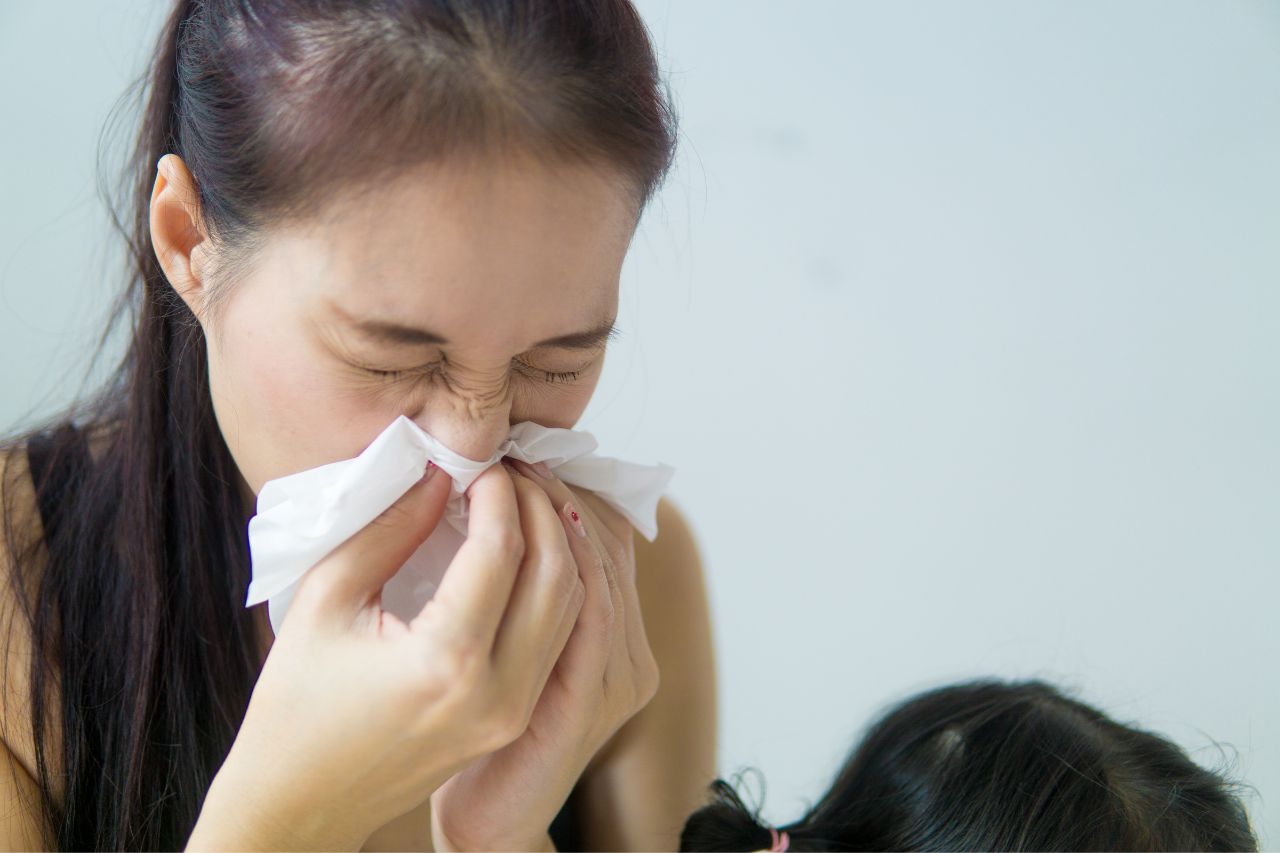
In the tropical climate of Singapore, allergic rhinitis, often referred to as hay fever, is a common condition that many people struggle with throughout the year. Whether it’s due to pollens, dust mites, or pet dander, allergic rhinitis can significantly affect your quality of life. While it’s easy to dismiss symptoms like sneezing and a runny nose, this condition can have a much greater impact if not properly managed.
🦠 What Is Allergic Rhinitis?
Allergic rhinitis occurs when your immune system overreacts to allergens—substances that the body mistakenly perceives as harmful. In Singapore, common triggers include:
Pollen (especially during the flowering seasons of certain trees like the Casuarina and Angsana trees)
Dust mites (often found in bedding, carpets, and soft furnishings)
Mould spores (due to Singapore’s humid climate)
Pet dander (from household pets like cats and dogs)
When exposed to these allergens, your body produces histamines, which lead to symptoms such as sneezing, nasal congestion, itchy eyes, and a runny nose.
❗ Common Symptoms Go Beyond the Nose
Though a runny or blocked nose is the hallmark of allergic rhinitis, this condition can manifest in several other ways:
Frequent sneezing and itchy nose
Watery or itchy eyes
Post-nasal drip (leading to coughing and sore throat)
Sinus pressure and headaches
Fatigue and poor sleep due to nasal congestion
Without proper management, allergic rhinitis can also trigger or worsen asthma symptoms, making it essential to seek treatment as soon as symptoms appear.
🧬 Diagnosis & Testing in Singapore
In Singapore, an ENT specialist can accurately diagnose allergic rhinitis using methods such as:
Skin prick testing (to identify specific allergens)
Blood tests to measure the level of IgE antibodies to particular allergens
Nasal endoscopy if there are persistent symptoms or complications
If you’re unsure whether your symptoms are due to allergies or another condition, a visit to an ENT clinic can help pinpoint the issue.
💊 Treatment Options: More Than Just Antihistamines
Managing allergic rhinitis in Singapore involves a combination of lifestyle changes, medications, and sometimes more advanced treatments. Here are some options commonly recommended by ENT specialists:
1. Medications
Antihistamines to reduce sneezing, runny nose, and itching
Nasal corticosteroids to reduce inflammation in the nasal passages
Decongestants (used sparingly for short-term relief)
Leukotriene receptor antagonists to help control allergy-induced inflammation
2. Avoiding Allergens
Use high-efficiency particulate air (HEPA) filters in the home to reduce dust mites and pet dander
Shower and change clothes after outdoor activities to remove pollen
Keep windows closed, especially during pollen season, and use air conditioning to filter the air indoors
3. Immunotherapy
In cases of persistent symptoms, allergen immunotherapy (allergy shots or sublingual tablets) may help reduce sensitivity to specific allergens over time.
💡 Managing Allergies in Singapore’s Climate
Living in a tropical climate like Singapore’s can present unique challenges for allergy sufferers. The high humidity and warm temperatures create a perfect environment for allergens such as mould and dust mites. Here are a few local tips to reduce your exposure to common allergens:
Air purifiers: Invest in high-quality air purifiers for your home, especially in the bedroom.
Bedding hygiene: Wash sheets and pillowcases weekly in hot water to eliminate dust mites.
Ventilate: While air conditioning helps, ensure your home is well-ventilated to reduce moisture buildup that can encourage mould growth.
If you’re struggling with allergic rhinitis, don’t wait for the symptoms to worsen.