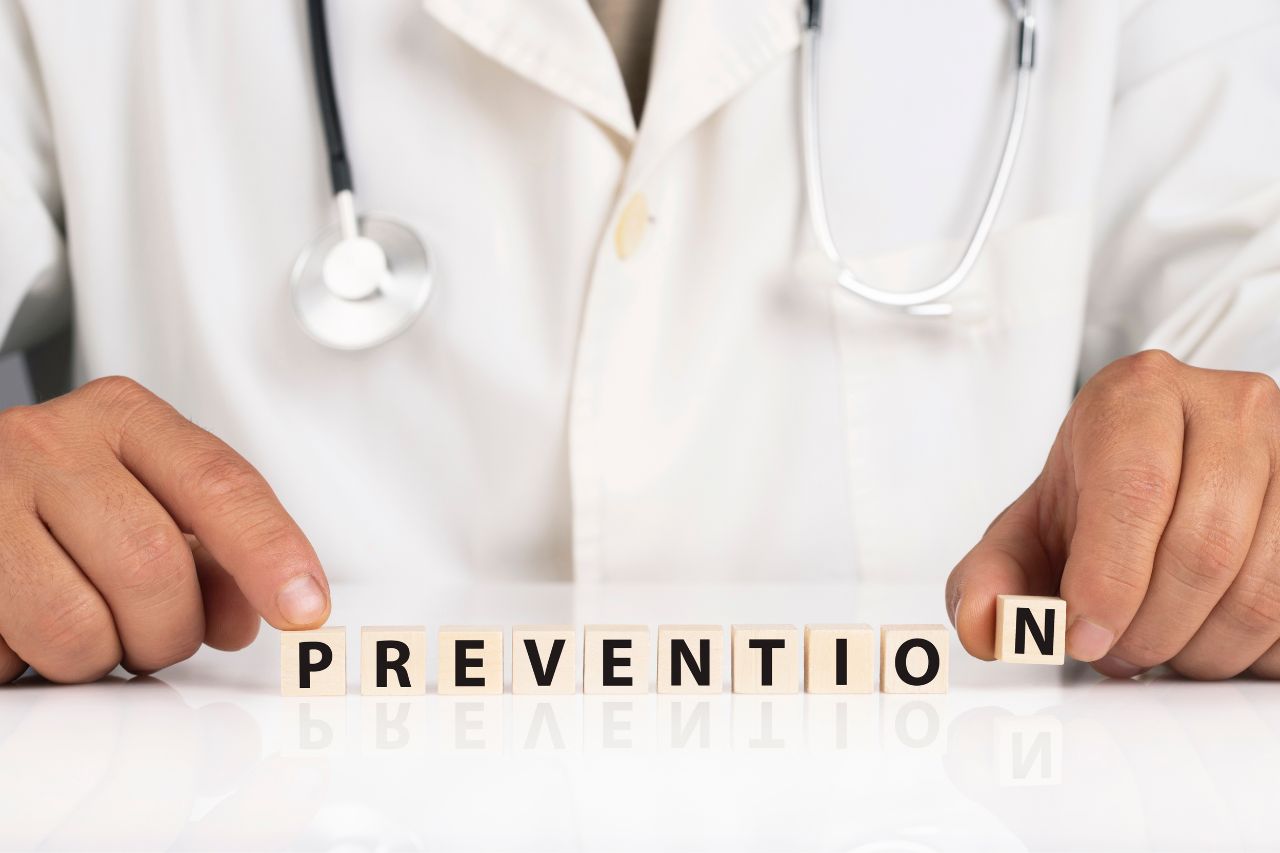
Preventive care is essential for maintaining good health and catching potential issues early.
Regular screenings and check-ups allow healthcare providers to identify risks before they become serious, improving your quality of life and potentially saving your life. Here’s why preventive care matters and the screenings you shouldn’t ignore.
Why Preventive Care Is Essential
Early Detection Saves Lives
Conditions like cancer, heart disease, and diabetes are more manageable when identified early.Prevention Reduces Costs
Treating a condition early is often less expensive than managing it in advanced stages.Better Quality of Life
Staying on top of your health helps prevent complications and maintain overall well-being.
Essential Preventive Screenings and Check-Ups
1. Annual Physical Exam
- A comprehensive review of your health, including vital signs, weight, and lifestyle factors.
- Frequency: Once a year.
2. Blood Pressure Monitoring
- Detects hypertension, a leading risk factor for heart disease and stroke.
- Frequency: Every 1-2 years or more frequently if elevated.
3. Cholesterol Screening
- Measures levels of “good” and “bad” cholesterol to assess heart disease risk.
- Frequency: Every 4-6 years or more often if at risk.
4. Blood Sugar Testing
- Screens for prediabetes and diabetes.
- Frequency: Every 3 years starting at age 45, or earlier if at risk.
5. Cancer Screenings
- Breast Cancer (Mammogram): Every 1-2 years starting at age 40-50.
- Cervical Cancer (Pap Smear): Every 3 years starting at age 21.
- Colorectal Cancer (Colonoscopy): Every 10 years starting at age 45-50.
6. Bone Density Test
- Screens for osteoporosis in older adults, particularly women.
- Frequency: Starting at age 65, or earlier if at risk.
7. Eye and Vision Exams
- Identifies changes in vision and conditions like glaucoma or macular degeneration.
- Frequency: Every 1-2 years.
8. Dental Check-Ups
- Prevents cavities, gum disease, and other oral health issues.
- Frequency: Every 6 months.
9. Immunizations
- Vaccines protect against preventable diseases like flu, shingles, and pneumonia.
- Frequency: Follow CDC guidelines based on age and risk factors.
Tips for Staying on Top of Preventive Care
- Keep a Schedule: Use a calendar or health app to track upcoming check-ups.
- Know Your Family History: Share any hereditary risks with your doctor.
- Ask Questions: Be proactive in understanding which screenings you need and why.
- Follow Up: Act on test results and recommended next steps.
Preventive care empowers you to take charge of your health, reducing risks and improving your overall well-being. By staying consistent with check-ups and screenings, you can address potential problems early and lead a healthier, longer life.
Need to schedule a screening or find a provider? Visit ConnectDr to connect with trusted healthcare professionals today!