Chronic cough and breathing difficulties can be more than just inconvenient—they can also signal underlying health conditions that require professional attention. If you’ve been experiencing these issues for an extended period, it’s important to know when to seek the expertise of a specialist. Here’s a guide to help you understand when it’s time to see a doctor, and why early intervention can make a big difference.
What is Chronic Cough?
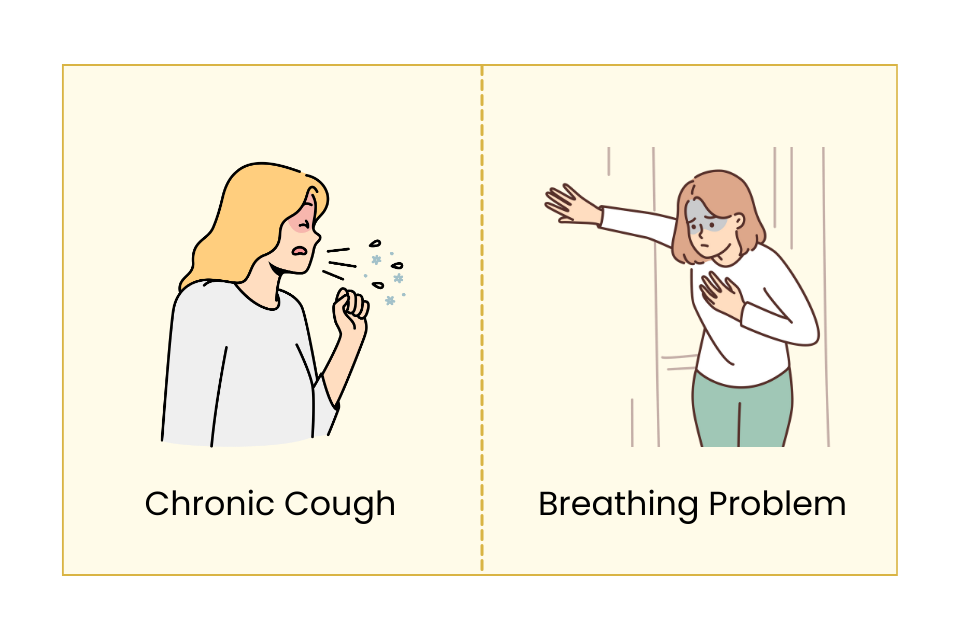
A chronic cough is defined as a cough that lasts for more than 8 weeks in adults (or 4 weeks in children). This persistent cough can be caused by a variety of factors, including infections, allergies, environmental irritants, or underlying medical conditions. While it may not always be serious, a long-term cough that doesn’t go away or worsens over time could indicate a more significant problem.
What are Breathing Problems?
Breathing problems, such as shortness of breath, wheezing, chest tightness, or labored breathing, can be caused by a wide range of conditions. They may occur suddenly or develop gradually over time. Chronic breathing issues often point to conditions like asthma, chronic obstructive pulmonary disease (COPD), or heart-related issues.
Signs You Should See a Specialist
If you or a loved one is experiencing chronic coughing or difficulty breathing, consider seeking a specialist’s opinion if any of the following apply:
The Cough Has Lasted for More Than 8 Weeks A cough lasting beyond this period could be a sign of a more serious health concern. If over-the-counter treatments aren’t providing relief, a pulmonologist (lung specialist) or an ENT (ear, nose, and throat doctor) may need to evaluate the cause.
Coughing Is Accompanied by Other Symptoms If your cough is persistent and comes with other symptoms like chest pain, coughing up blood, unexplained weight loss, fever, or night sweats, it’s crucial to see a specialist immediately. These signs could point to conditions such as lung cancer, tuberculosis, or a serious infection.
You Have a History of Smoking or Exposure to Environmental Toxins Individuals who smoke or have been exposed to harmful substances such as secondhand smoke or industrial pollutants are at an increased risk of respiratory diseases. Chronic coughing in these cases may indicate conditions like COPD or emphysema, which require a pulmonologist’s expertise.
Breathing Problems Are Frequent or Severe Difficulty breathing can be triggered by a range of conditions, from asthma and allergies to heart disease. If you frequently experience shortness of breath, wheezing, or other significant breathing issues, a specialist can help determine the root cause and guide appropriate treatment.
Over-the-Counter Medications Aren’t Helping If you’ve tried cough medicines, decongestants, or other over-the-counter remedies and haven’t seen improvement, it’s time to see a doctor. A specialist can run tests to identify any underlying conditions and prescribe targeted treatments or therapies.
You Experience Sudden or Severe Shortness of Breath If you experience a sudden onset of severe shortness of breath, this could indicate an emergency condition, such as an asthma attack, pulmonary embolism, or heart attack. Seek immediate medical help if you are struggling to breathe or feel faint and dizzy.
Types of Specialists to See
If your chronic cough or breathing problems require further investigation, you may need to see a specific type of specialist, depending on your symptoms:
Pulmonologist (Lung Specialist): A pulmonologist is trained to diagnose and treat diseases of the lungs and respiratory system. They are the most appropriate specialist for conditions like asthma, COPD, lung infections, pulmonary fibrosis, and unexplained chronic coughs.
Allergist: If your breathing problems are related to allergies (e.g., pollen, dust, or pet dander), an allergist can help identify allergens and recommend treatments such as allergy shots or medications.
ENT Specialist (Ear, Nose, and Throat): An ENT specialist can address issues related to the sinuses, throat, and vocal cords. If your chronic cough is related to post-nasal drip, GERD, or voice disorders, an ENT may be the right choice.
Cardiologist: If your breathing difficulties are accompanied by chest pain, heart palpitations, or fatigue, a cardiologist may need to evaluate your heart and vascular system to rule out heart-related issues.
Infectious Disease Specialist: If an infection like tuberculosis, pneumonia, or bronchitis is suspected, an infectious disease specialist may be necessary to identify the cause and recommend treatment.
What to Expect at Your Specialist Appointment
During your visit to a pulmonologist or other respiratory specialist, you may be asked to provide a detailed medical history. Be prepared to discuss the duration and nature of your cough or breathing difficulties, as well as any other symptoms you’ve noticed. The specialist will likely perform a physical examination, which may include listening to your lungs with a stethoscope and conducting tests such as:
- Chest X-rays or CT scans: To examine the lungs and airways for any abnormalities.
- Pulmonary Function Tests (PFTs): To measure how well your lungs are functioning.
- Bronchoscopy: In some cases, a doctor may need to perform a bronchoscopy to examine your airways directly.
- Allergy Testing: If allergies are suspected, tests to identify allergens can be performed.
- Blood tests or sputum analysis: To rule out infections or other diseases.
Conditions That Might Be Diagnosed
A variety of conditions can lead to chronic cough or breathing problems, including:
- Asthma
- Chronic Obstructive Pulmonary Disease (COPD)
- Pneumonia
- Gastroesophageal Reflux Disease (GERD)
- Lung cancer
- Tuberculosis
- Pulmonary fibrosis
- Sleep apnea
Chronic cough or breathing issues can be more than just an inconvenience—they can point to a variety of serious health conditions. It’s important not to ignore these symptoms, especially if they persist or worsen over time. Consulting a specialist such as a pulmonologist or ENT can help ensure an accurate diagnosis and appropriate treatment. Early intervention can improve outcomes and help you regain control over your health.
If you’re dealing with ongoing cough or breathing issues, don’t hesitate to seek medical advice. Addressing your concerns with a healthcare professional is the first step toward finding relief and protecting your long-term health.