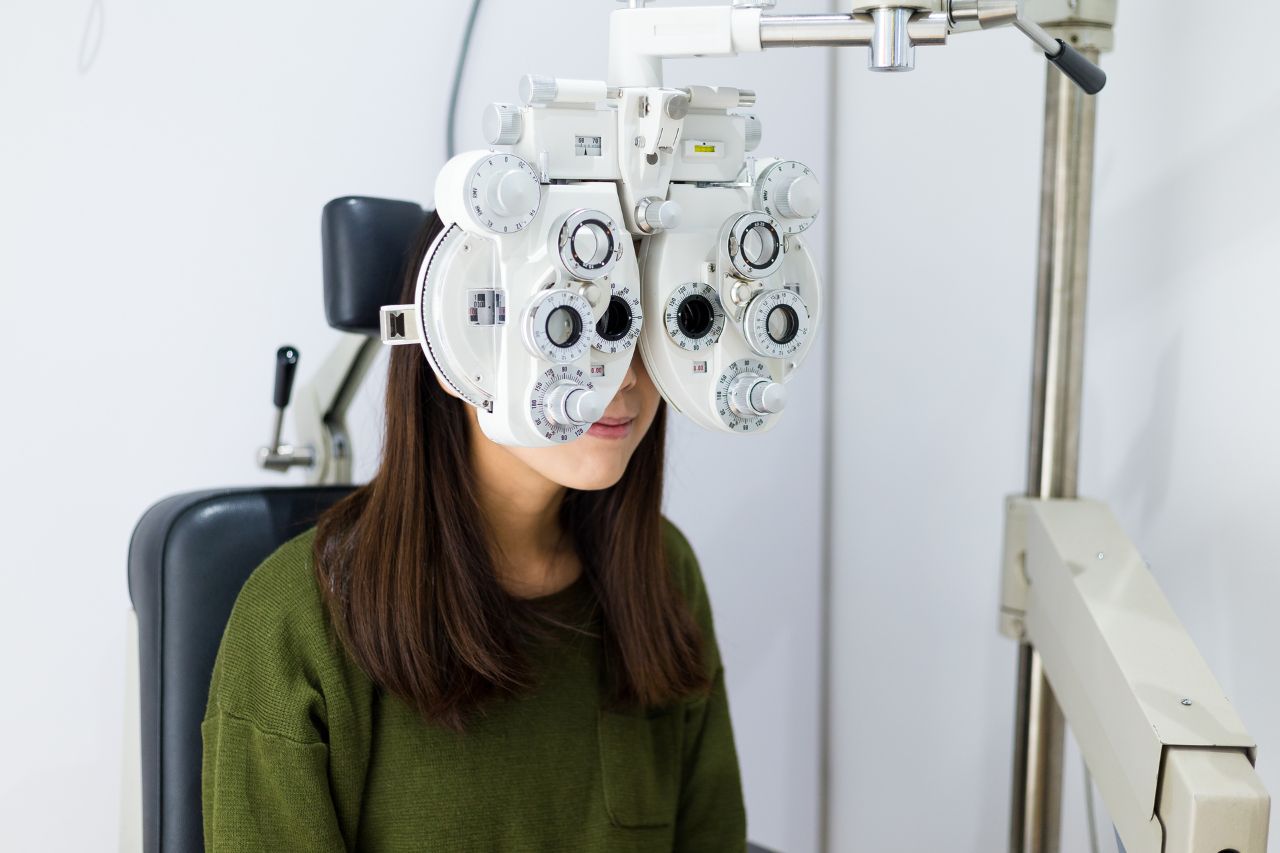
Many people think of eye exams as simply a way to update their prescription glasses or contact lenses. However, regular eye exams are an essential part of maintaining overall health. Not only do they help detect vision problems, but they also play a vital role in identifying serious eye conditions and other health issues that could affect your well-being.
1. Early Detection of Vision Problems
One of the primary reasons for having regular eye exams is to detect vision problems early. Eye exams can identify issues like:
Nearsightedness (myopia)
Farsightedness (hyperopia)
Astigmatism
Presbyopia (age-related difficulty focusing on close objects)
By identifying these conditions early, an eye care professional can recommend corrective measures like glasses, contact lenses, or vision therapy to improve your quality of life.
2. Detecting Serious Eye Conditions
Many serious eye conditions, like glaucoma, cataracts, and macular degeneration, often develop without noticeable symptoms in their early stages. Regular eye exams can help detect these conditions before they progress and cause significant damage.
Glaucoma: This condition damages the optic nerve, often due to high eye pressure, and is one of the leading causes of blindness. Early detection through regular eye exams can prevent vision loss.
Cataracts: Cataracts cause clouding of the lens, leading to blurry vision. Regular exams can detect cataracts early, allowing for timely treatment, often through surgery.
Macular Degeneration: This condition affects the central part of the retina, leading to vision loss. Although there’s no cure, early detection can help slow its progression and preserve vision.
3. Monitoring Eye Health for Diabetes
Eye exams are essential for people with diabetes, as the condition can lead to diabetic retinopathy, which affects the blood vessels in the retina. If left untreated, it can cause severe vision loss or blindness. Regular eye exams allow an ophthalmologist to monitor for early signs of diabetic retinopathy, ensuring early intervention to prevent complications.
4. Checking for Hypertension-Related Eye Conditions
High blood pressure (hypertension) can cause changes in the blood vessels of the retina, leading to a condition called hypertensive retinopathy. Eye exams can help detect this condition, which might not have noticeable symptoms but can damage vision if not managed. In some cases, eye exams may also help reveal underlying hypertension that hasn’t yet been diagnosed.
5. Identifying Early Signs of Other Health Conditions
Did you know that eye exams can help spot more than just eye problems? Many systemic health conditions can have symptoms that show up in your eyes. For example:
High cholesterol: Can cause fatty deposits to appear in the eye’s blood vessels.
Thyroid disease: Can cause changes in the appearance of your eyes or eyelids.
Autoimmune diseases: Certain conditions, such as rheumatoid arthritis or lupus, can affect the eyes and cause inflammation or dryness.
An eye exam can be an important tool in catching these health conditions early, leading to quicker diagnosis and treatment.
6. Preventing and Managing Age-Related Changes
As we age, our eyes naturally undergo changes. Presbyopia, for example, is the age-related difficulty in focusing on close objects. In addition, older adults are at greater risk for developing age-related eye conditions, such as cataracts, glaucoma, and macular degeneration. Regular eye exams help track these changes, enabling early interventions to preserve vision.
7. Keeping Your Prescription Updated
Even if you don’t have any noticeable vision problems, it’s important to have your prescription updated regularly. As we age, our vision changes, and an outdated prescription can lead to headaches, eye strain, and difficulty seeing clearly. Regular exams ensure that your prescription is up to date, keeping your vision sharp and comfortable.
8. Screening for Children’s Eye Health
Children are not always able to express that they are experiencing vision problems. Regular eye exams are essential for detecting vision issues early in life. Conditions like amblyopia (lazy eye), strabismus (crossed eyes), and refractive errors can interfere with a child’s ability to learn and develop normally. Catching these issues early can ensure that children receive the necessary treatment, such as glasses or eye exercises, to correct or manage the condition.
9. Peace of Mind and Prevention
Finally, regular eye exams provide peace of mind. Knowing that your eyes are healthy or that any issues are being managed can relieve stress and allow you to take proactive steps to preserve your vision. Early detection of eye conditions gives you the best chance of preventing long-term damage and maintaining your vision.
Regular eye exams are not just for checking vision or updating prescriptions—they are a vital part of maintaining your overall health. By detecting vision problems early, identifying serious eye conditions, and uncovering signs of systemic health issues, eye exams can help preserve both your sight and your health. Be sure to schedule regular eye exams with an eye care professional, even if you don’t notice any vision problems. Early intervention is key to preventing vision loss and managing your eye health effectively. Don’t wait—your vision and overall well-being are worth the investment!